Sign-Up Flow Overhaul
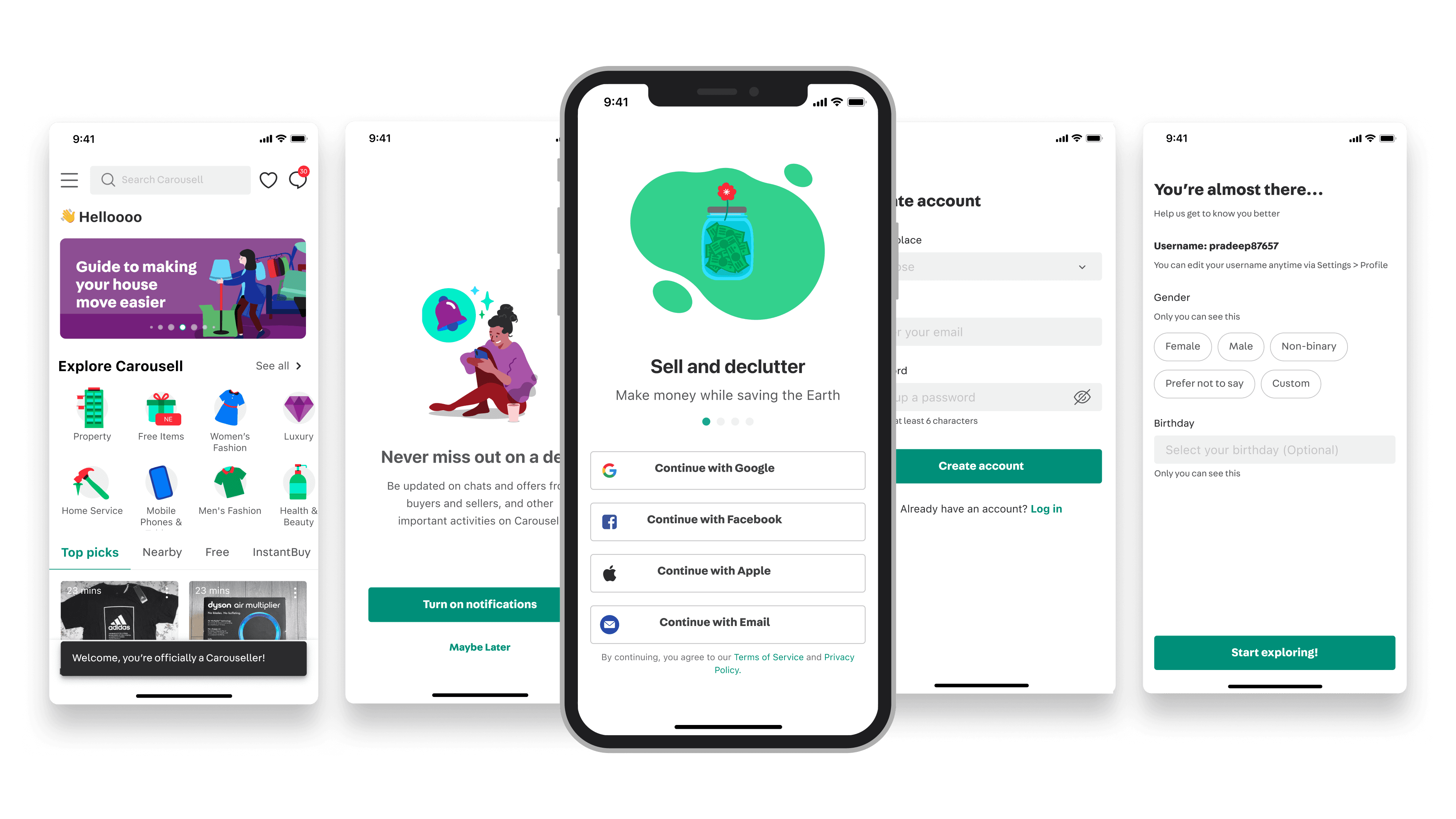
Carousell is a C2C marketplace operating across Southeast Asia, Taiwan, and Hong Kong. By 2022, the product was mature, but the data told a different story at the top of the funnel.
Only about 60% of new users were completing the sign-up flow. That meant 4 out of 10 people who tried to join never made it through. As the lead designer on this project, I led the end-to-end redesign of the sign-up experience, from research through to final delivery, with the goal of removing friction early enough to give users a reason to stay.
Given the resource constraints we were working with, we launched in phases, tackling the highest-impact changes first.
22% increase in sign-up completion
13% increase in new user growth
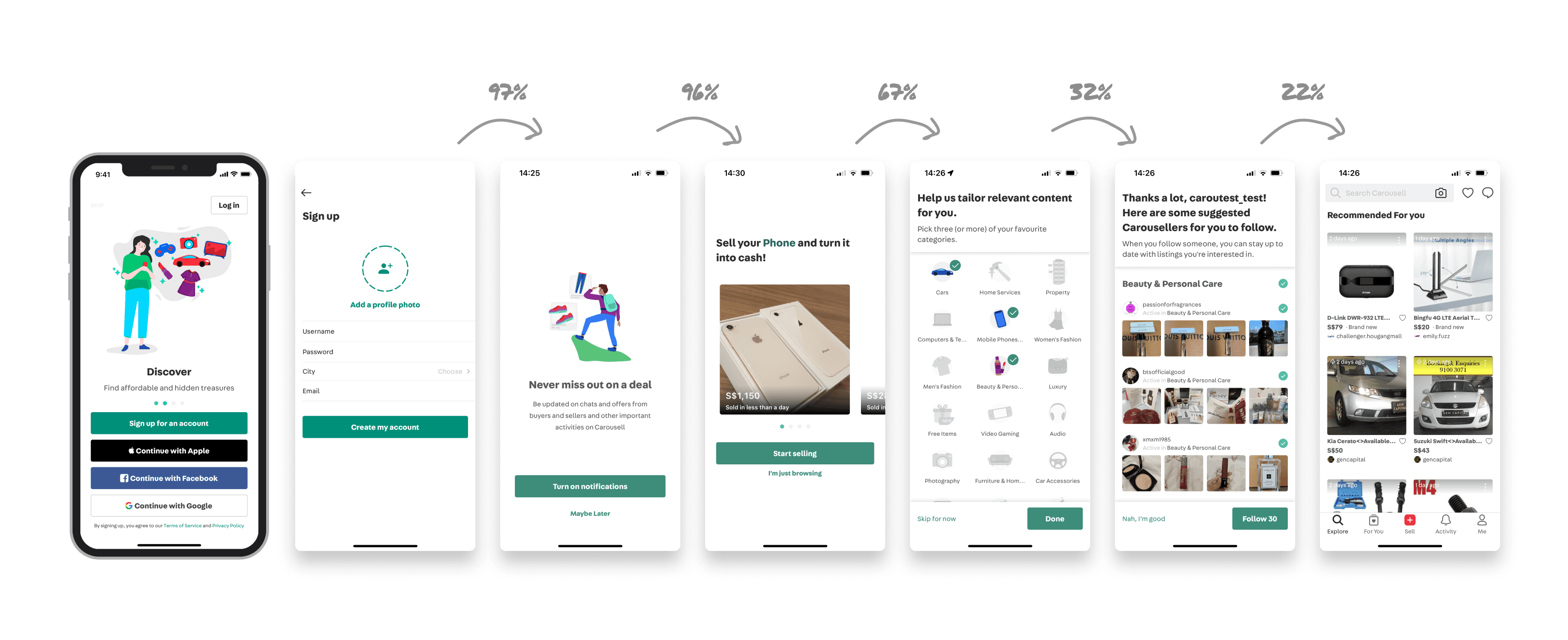
I started by pulling 6 months of funnel data to map where users were dropping off. The pattern was clear: the biggest drop-offs weren't on the account creation steps, like entering an email or setting a password.
They were on the personalization steps: selecting interest categories, following recommended sellers, and setting up a feed before users had any context for what the app actually offered. We were asking users to make decisions about a product they hadn't experienced yet.
Talking to users
To understand the why behind the numbers, I partnered with a researcher to interview eight users across three groups: people new to Carousell, casual users, and active sellers. We mapped every session against the onboarding flow, and a consistent pattern emerged: users felt the app was pushing a seller identity on them before they'd decided how they wanted to use it.
As one user put it: "I'm getting a feeling I need to sell something. It feels like a seller-oriented app." Several others skipped through the personalization steps as fast as possible just to reach the products.
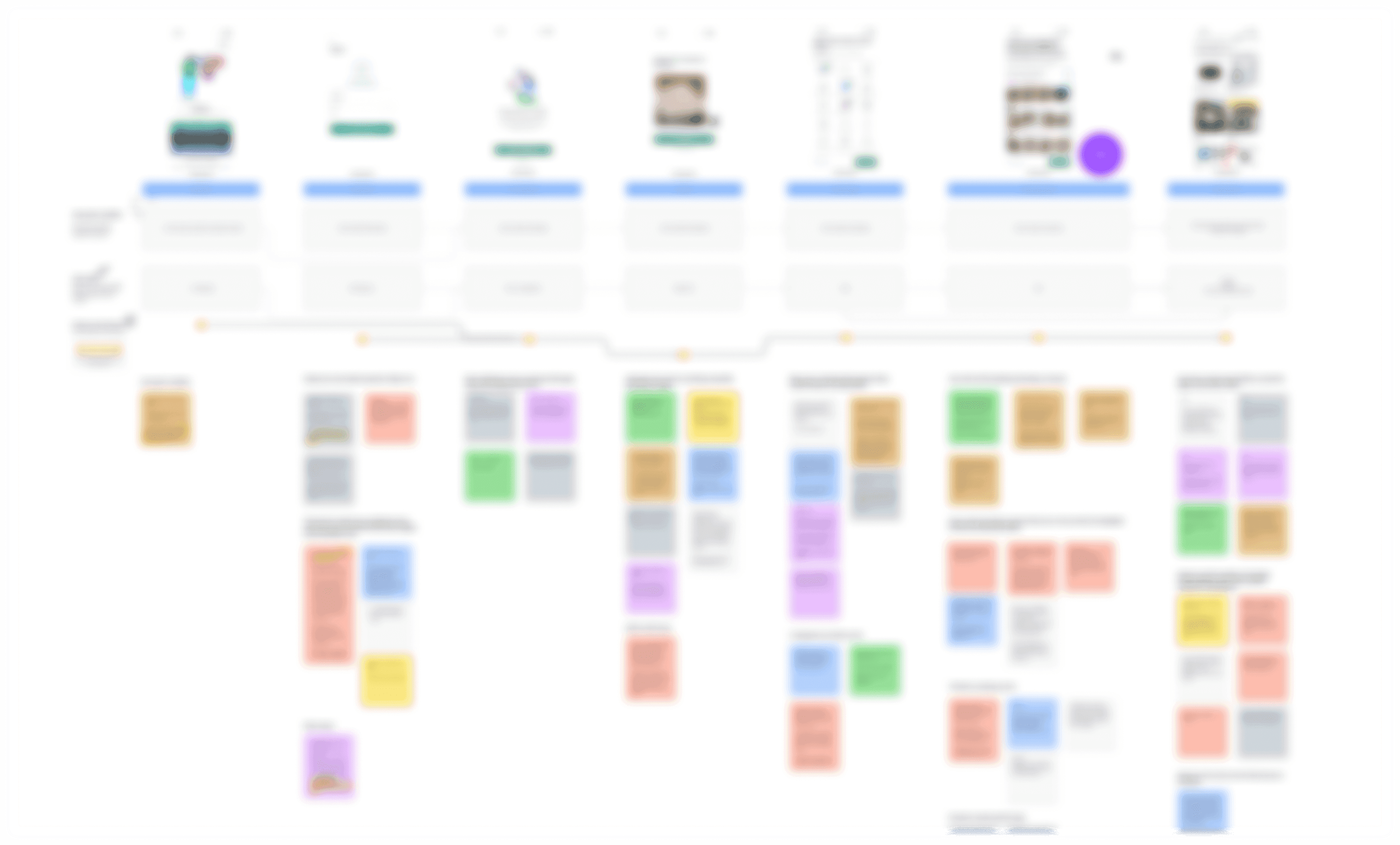
Mapping interview observations against each onboarding step
The flow asked too much, too soon. Users were required to select interests, follow sellers, and configure a feed before they'd seen what Carousell had to offer. The steps weren't wrong. The placement was.
The onboarding created the wrong first impression. Seller-focused choices early in the flow made buyers feel the app wasn't built for them. A single undifferentiated flow was failing three distinct user types: buyers, casual sellers, and merchants.
Several screens lacked clarity. Outdated UI patterns and ambiguous instructions left users making decisions without enough context to make them confidently.
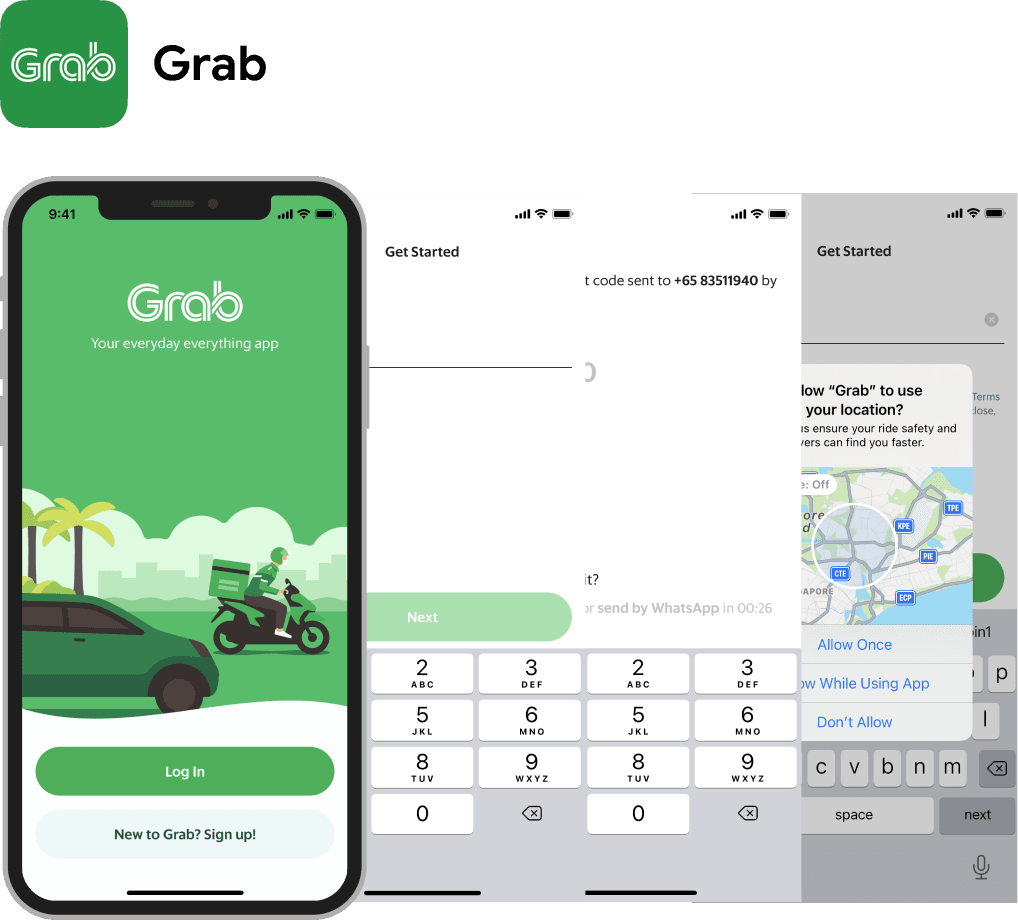
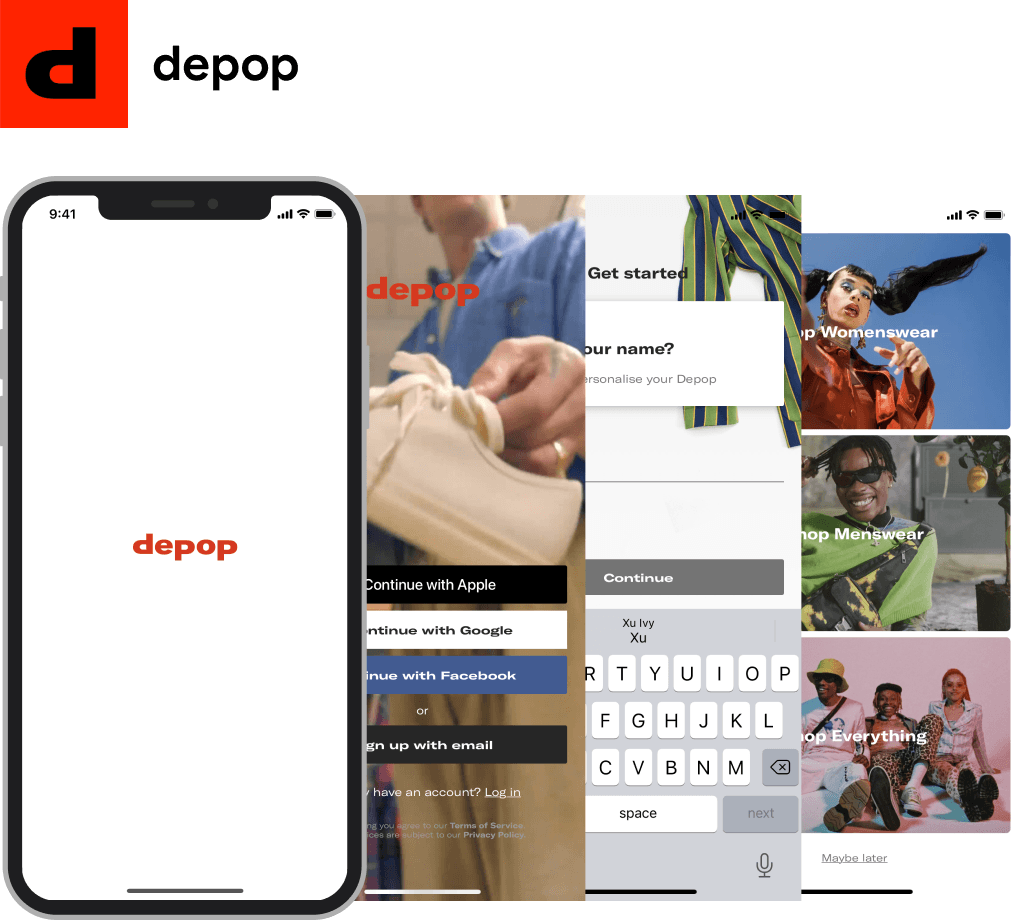
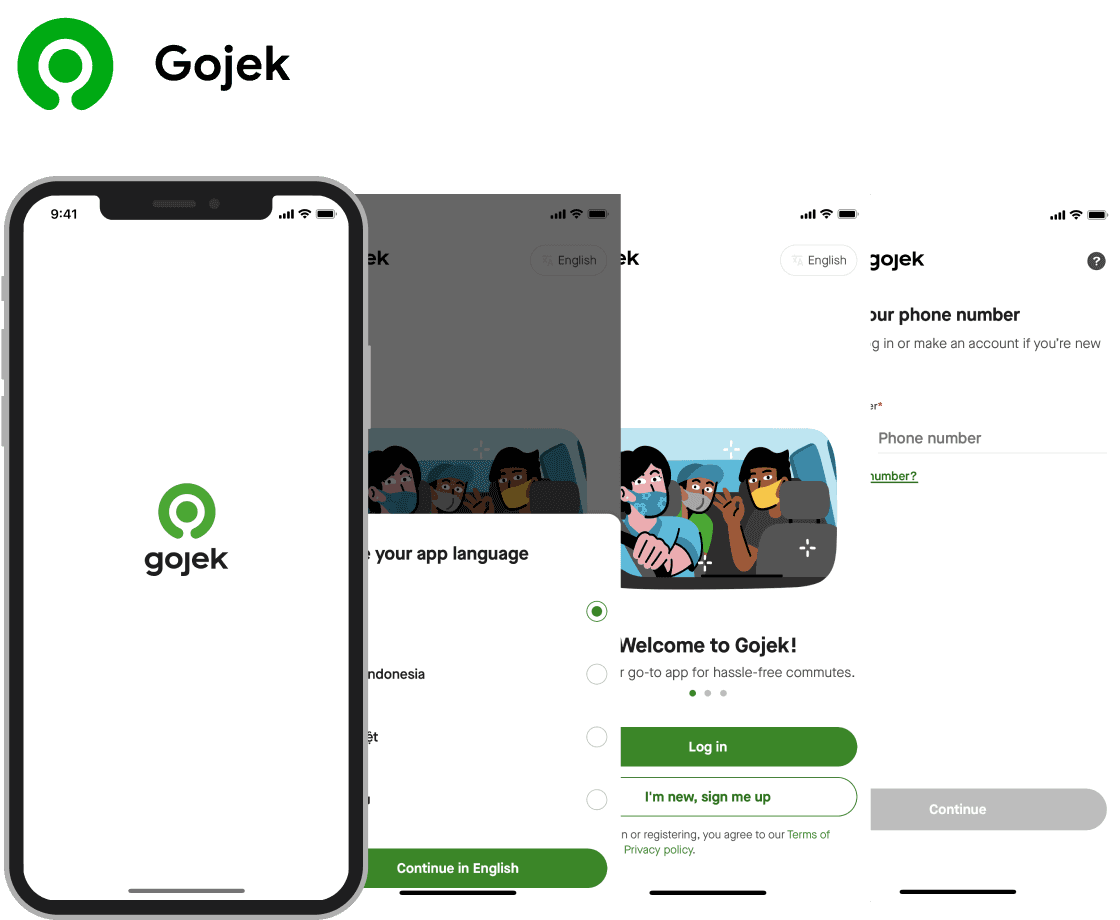

To move from problems to solutions, I ran a workshop with the PM and researcher. Working from the three personas, we framed the challenge as a single HMW:
"How might we shape the sign-up flow around each user's intent, so no one answers questions that don't apply to them?"
Proposed new flow: personalized entry point
The strongest idea to emerge was a personalized entry point: letting users identify as a buyer, casual seller, or merchant at the start, then tailoring the flow to match. It directly addressed the wrong-first-impression problem and would make the experience meaningfully different for each user type.

Rather than delay the entire release, I worked with the PM to phase the work. Phase 1 focused on the highest-impact, lowest-complexity changes: removing confusing screens, simplifying personalization, and updating UI components to the new design system.
The personalized entry point, which required significant backend work, moved to Phase 2. I made the call: it wasn't the ideal solution, but a meaningfully better experience now was more valuable than a perfect one later.
Ideation
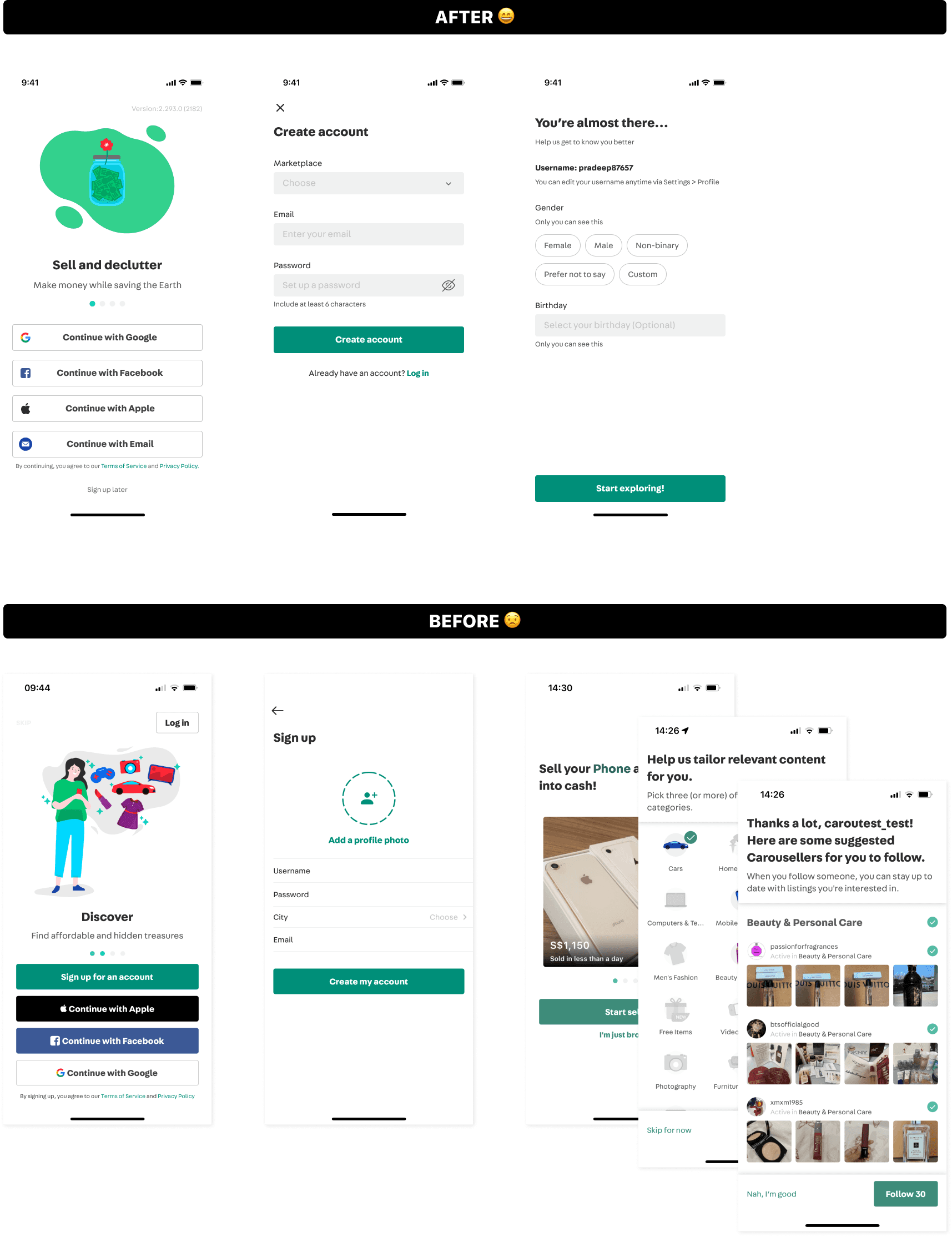
With the scope defined, I focused the final design on three changes that directly addressed the problems we'd identified. We simplified the flow from 6 steps to 3. The removed steps were the personalization-heavy ones: selecting interest categories, following recommended sellers, and configuring a feed. These weren't deleted permanently; they moved to post-onboarding, where users would have enough context to make those choices meaningfully. What remained: account creation, minimal profile setup, and a direct path into the product.
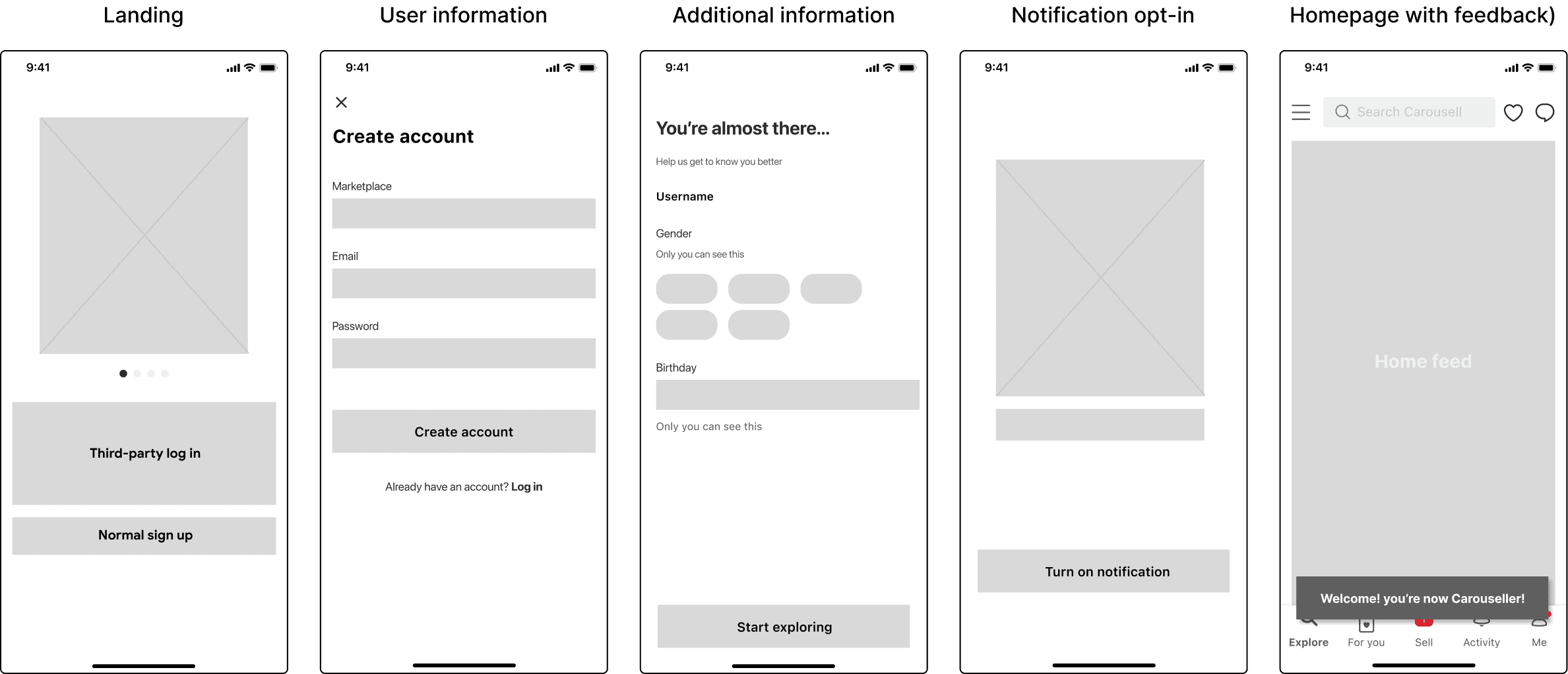

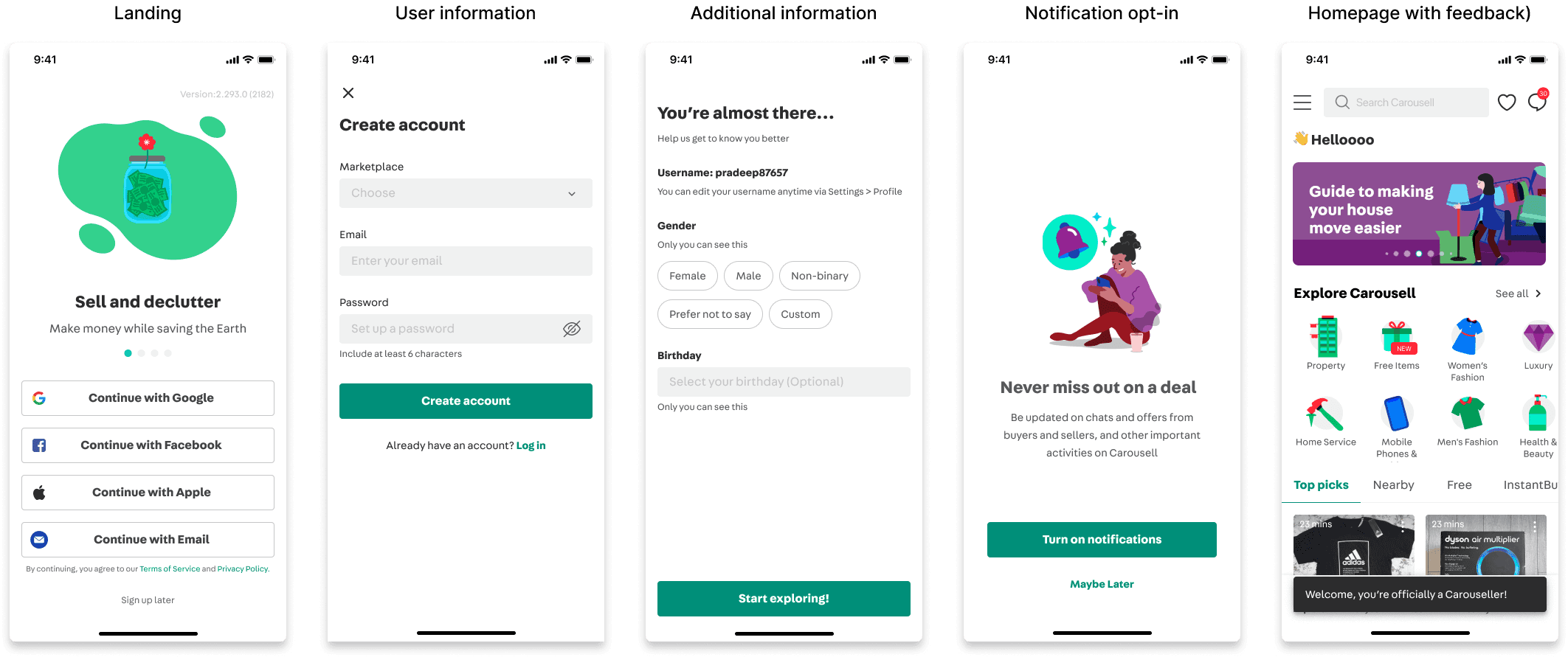
We simplified personalization to just gender and age. Instead of asking users to manually curate their experience upfront, recommendations became automatically tailored based on basic inputs. Less friction, same personalization outcome.
Updated UI to the new design system. Outdated components were replaced, ambiguous instructions rewritten, and visual hierarchy clarified across every screen.
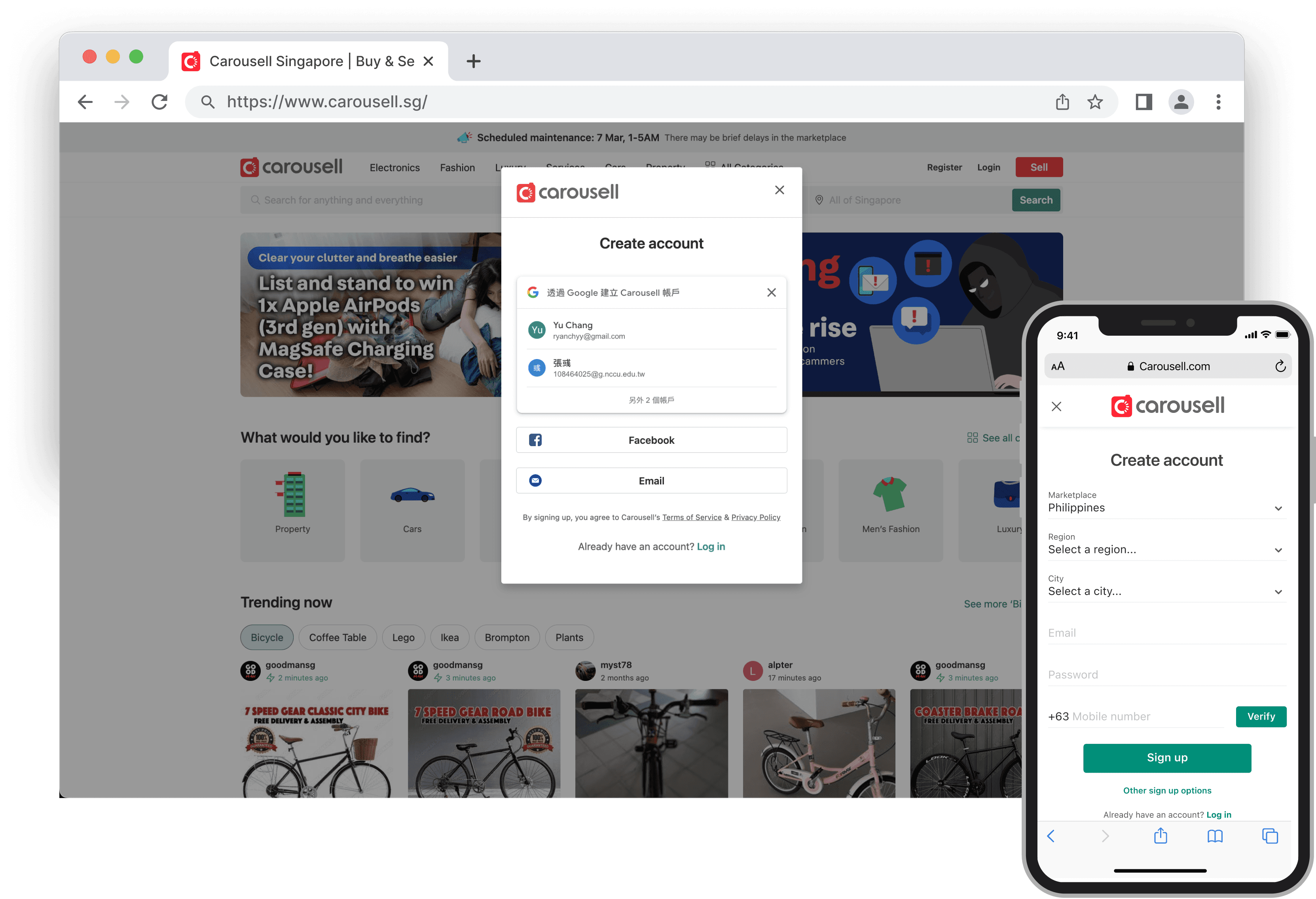
For the web version, I extended the same flow while adapting it for the platform's constraints. Unlike mobile, web doesn't have native components for things like date pickers, dropdowns, or permission prompts, each had to be rebuilt using web-native patterns while maintaining visual consistency with the app.
The goal was for a user moving between platforms to feel like they were in the same product, even if the underlying components were different.
Phase 1 shipped on schedule. The results were meaningful:
Three things I'd carry into the next project:
Constraints are a design input, not just a limitation. The timeline pressure that forced us into phases ended up being clarifying: it made us ask which changes actually mattered most. The personalized entry point was the "right" solution, but Phase 1 proved we didn't need it to make a significant impact. Sometimes shipping the 80% solution teaches you more than waiting for the 100% one.
Phased releases need a plan, not just a promise. We shipped Phase 1 with a clear intent to follow up, but "Phase 2" without a concrete timeline is just a good intention. Next time, I'd push for Phase 2 to be scoped and scheduled before Phase 1 ships, not after.
Registration isn't the real goal. Activation is. We optimized sign-up completion, but an account created isn't a user retained. If I did this again, I'd first define the first-week action that predicts whether a user sticks around, and design the flow to lead there, not just to the "account created" screen.
Next
Design System Revamp
Strengthened collaboration between designers and developers, reducing handoff time by 11%